Kawaii Asian Food: Eat Happy! – A Design Asset for Instant Appeal
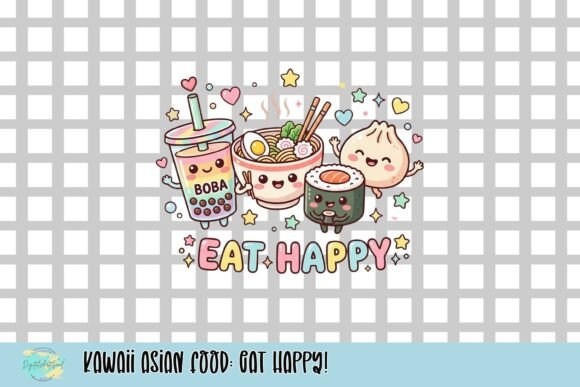
In the crowded world of digital assets, finding a design element that genuinely connects with an audience can feel like a major breakthrough. Kawaii Asian Food: Eat Happy! is more than just a collection of cute illustrations; it’s a carefully crafted visual language. This graphic style taps into a powerful cultural aesthetic, transforming familiar comfort foods into charming characters that radiate positivity. The visual characteristics are defined by soft, rounded forms, expressive faces, and a vibrant color palette that feels both playful and polished. Each item, from a steaming bowl of ramen to a cup of boba tea, is given a distinct personality through simple, effective details like blushing cheeks and happy eyes. This creates an immediate emotional connection, making the design feel friendly and approachable rather than generic.
The overall appeal lies in its ability to communicate joy and warmth instantly. Unlike overly complex or abstract art, this style is universally understood. It doesn’t require explanation; a viewer sees a smiling dumpling and feels a spark of delight. For a designer or business owner, this is invaluable. You’re not just adding a picture to a project; you’re injecting a specific mood. The aesthetic is clean enough for professional applications yet retains enough whimsy to stand out. It walks a fine line between being a novelty and a versatile design asset, making it suitable for a surprising range of contexts. Its strength is in its simplicity and the positive associations it evokes with beloved Asian cuisine.
Practical Applications Across Creative Projects
The utility of Kawaii Asian Food: Eat Happy! extends far beyond a single use case. Its high-resolution PNG format makes it immediately ready for integration into various workflows. For entrepreneurs and small business owners in the food industry, it’s a natural fit. Imagine a sushi restaurant’s menu, a bubble tea shop’s loyalty card, or a food truck’s branding—all elevated with these endearing characters. The designs work exceptionally well on physical products through print-on-demand services. Think of a tote bag featuring a cheerful ramen bowl or a set of mugs with different kawaii dishes. These items become more than merchandise; they become conversation starters that reinforce a brand’s friendly identity.
For content creators and marketers, this asset is a powerhouse for engagement. Social media graphics, blog post headers, and email newsletter banners gain immediate visual interest. A static image of a smiling onigiri can make a food blog post more memorable and shareable. In the realm of digital design, these illustrations can enhance website visuals, create engaging stickers for platforms like GoodNotes, or serve as charming elements in app interfaces. Even in publishing, they can add a delightful touch to cookbook layouts, magazine features, or greeting card designs. The key is recognizing that this isn’t just decoration—it’s a tool for storytelling and building a relatable, joyful brand voice.
Integrating the Kawaii Style into Your Brand Identity
Adopting a visual asset like Kawaii Asian Food: Eat Happy! requires thoughtful integration to ensure it strengthens rather than dilutes your brand. The first step is evaluating project fit. This style excels for brands that prioritize approachability, fun, and a touch of nostalgia. It’s perfect for casual dining, specialty food brands, lifestyle blogs, and creative services targeting a younger, or young-at-heart, demographic. It might be less suitable for a law firm or a luxury watchmaker, but for a craft brewery or a cozy café, it can be a perfect match. The goal is alignment between the asset’s personality and your brand’s core message.
When incorporating this design, consider its role in your visual hierarchy. It should complement your primary brand identity, not overpower it. Use it as a supporting element in your packaging design or as the star of a limited-edition campaign. For web design, it can create engaging loading animations or section dividers. In social media graphics, it can become a recognizable series—like “Kawaii Dish of the Week.” The consistency of using the same charming characters across touchpoints builds recognition and a cohesive brand experience.
Font Pairing and Readability Considerations
A critical aspect of using a strong visual asset is pairing it with the right typography. The kawaii style is inherently playful, so your font choice should balance it without competing. Avoid overly ornate or serious serif fonts. Instead, opt for a clean, modern sans serif font for body text to ensure maximum readability. For headlines, you have more flexibility. A friendly, rounded sans serif font can echo the softness of the illustrations. Alternatively, a simple handwritten font can enhance the casual, personal feel, but use it sparingly and ensure it remains legible at small sizes. The principle is to create a harmonious dialogue between the imagery and the text, where each element supports the other.
Always test your combinations. Place the Kawaii Asian Food graphic next to your chosen typeface in a mockup. Does the text feel overshadowed? Does the overall layout feel balanced? Readability is paramount. No matter how charming the illustration, if the accompanying message is hard to read, the design fails. For commercial projects, also verify the licensing of any premium font you pair it with to ensure you have full rights for your intended use, whether for digital ads, merchandise, or print materials.
Making the Most of a Versatile Design Asset
To truly leverage Kawaii Asian Food: Eat Happy!, think beyond the obvious. Use the illustrations as inspiration for a broader design system. Let the color palette guide your secondary brand colors. Allow the rounded shapes to influence the corner radius of your buttons or the shape of your photo frames. This creates a deeper, more integrated aesthetic. For crafters and hobbyists, the possibilities are endless—from custom stickers for planners to unique greeting cards that stand out.
For professionals, the asset represents efficiency. Instead of commissioning custom illustrations for every project, you have a cohesive, high-quality set ready to deploy. This saves time and budget while maintaining a consistent level of charm. Whether you’re designing a logo for a new food venture, creating editorial design for a magazine, or developing a full suite of social media graphics, this collection provides a reliable and delightful foundation. It’s a practical tool for injecting happiness into your work, proving that sometimes, the most effective designs are the ones that simply make people smile. Let this creative font—in this case, the visual language of kawaii—inspire your next project and connect with your audience on a genuinely human level.